Category Archives: Everyone

Farewell to Olympia

Last week saw the London Book Fair bid adieu to Olympia, London.
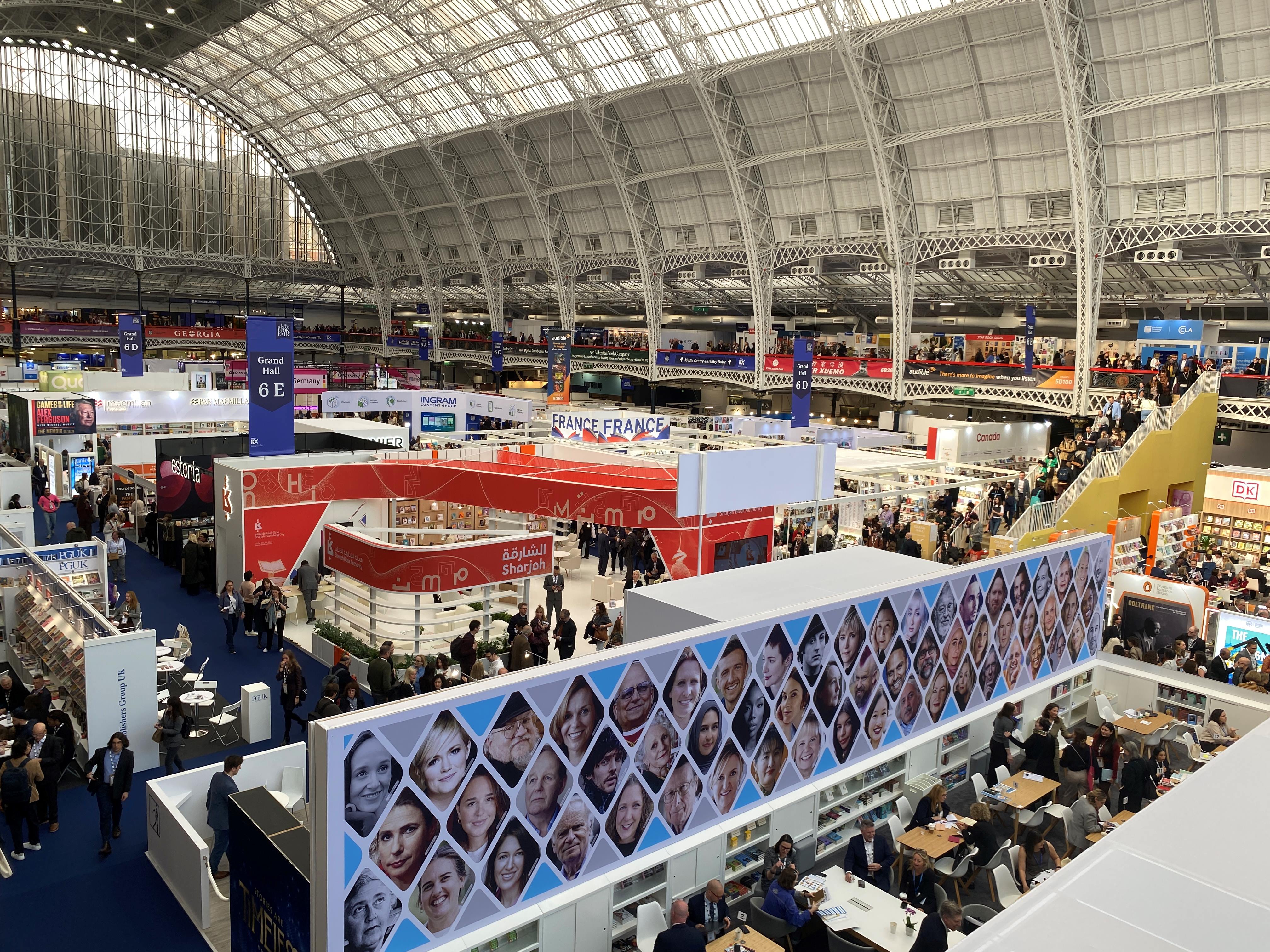
Sadly this is the last LBF in this location as it moves to Excel in March 2027. A retrograde step in my view from a multi hall complex in Central London to a soul-less, characterless metal box located far out in the in the docklands. So it’s not surprising that many who have attended the Fairs over the year – visitors and exhibitors alike – will be feeling somewhat nostalgic. Personally I liked Earls Court.

Olympia has hosted more of the 54 book fairs than any other venue, but changes to the halls and reductions in space has meant some inconveniences. This year it was useful to find the Main Stage on one level with the Tech Centre and the Author Lounge right above, so there was a lot less dashing from one hall to the other side of the venue.
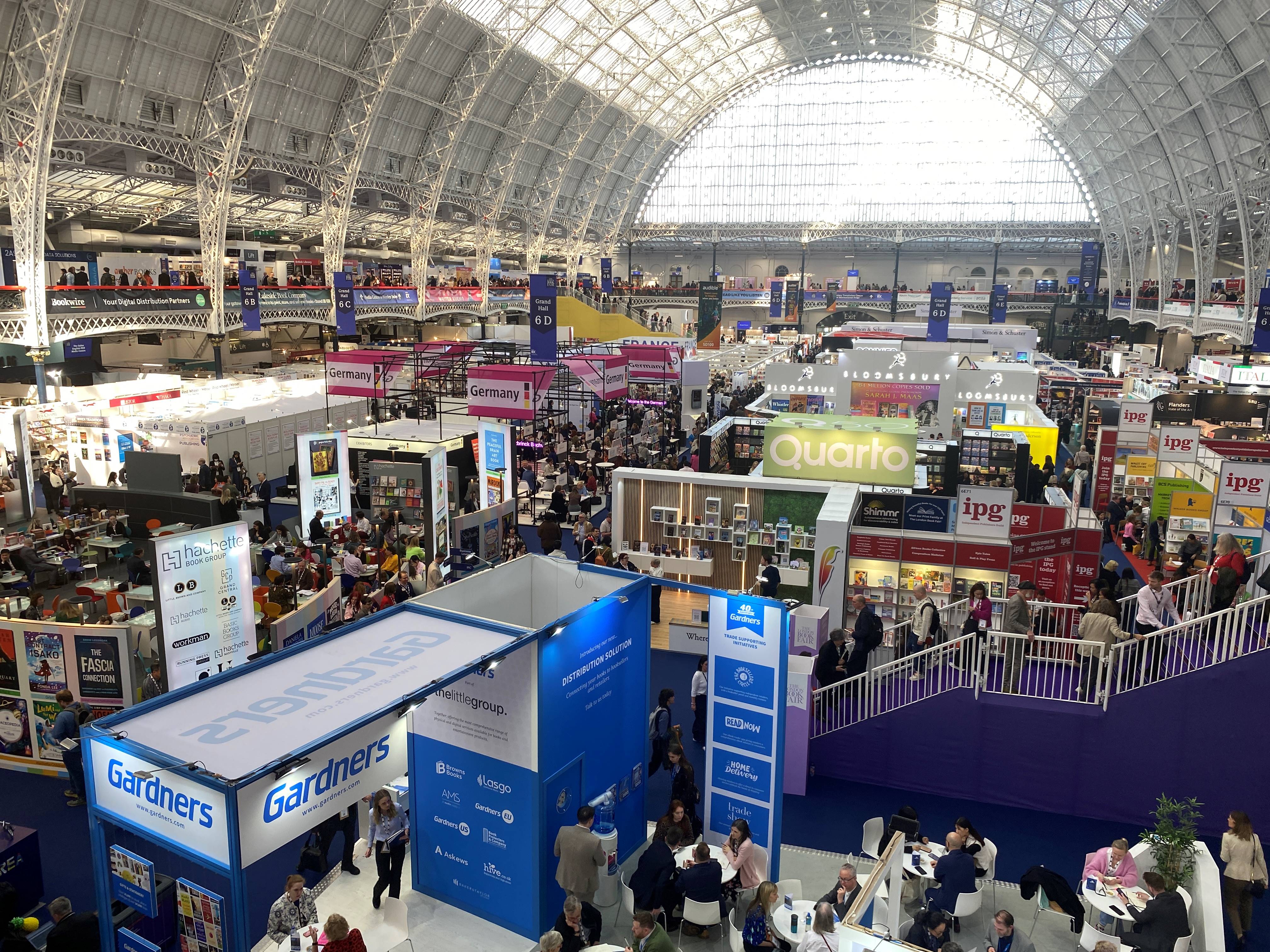
However, the LBF has always provided – and will continues to host – a wide range of book/publishing related events to tempt visitors. Whether it’s new titles – fiction and non-fiction, children’s, fascinating author interviews, author readings, audio books, illustration or celebrity guests, and of course AI.

The result from this year has been some very interesting, thought-provoking segments I’ll be covering over the next week or so. Above all the London Book Fair is all about books, reading, learning & enjoyment, but I for one will miss Olympia.
Comments Off on Farewell to Olympia

Filed under Everyone

Death of a much loved poet

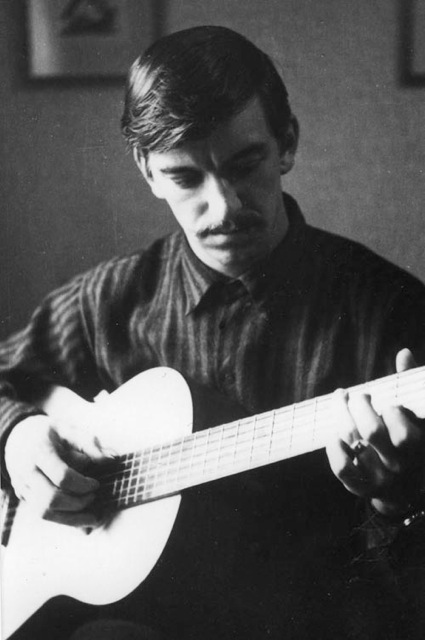
Last Friday, February 6, marked 21 years since the sad and unexpected death of Rudi Holzapfel, good friend and poet.

Rudi was born in Paris. His father, Rudolf, was an art expert and Shakespeare scholar, while his mother, Mona Trew from the Folies Bergères, was a dancer with the original Bluebell Girls. Rudi had spent some time with relatives in England to learn English before following the family to California. In 1956 he was sent to Dublin to study at Trinity College where he did his M.Litt. on Irish Literary Magazines linked to the fight for Irish Independence.

In 1966 he started work on his Ph.D. at Leeds University on the Irish poet James Clarence Mangan, while working with me in the local bookshop. He also set up an antiquarian book business in which I helped, printing and compiling book lists. In 1989 he decided to return to his beloved Ireland where he took up his work again on his Mangan thesis. He kept on writing and publishing poetry, and dealing in second hand books from his Poor Sinner bookshop in Tipperary, Eire.

He died of cancer on 6 February, 2005, in Bonn, Germany. His final work, A Tiger Says His Prayers, was published posthumouslyin 2006 by Sunburst Press. His website contains a booklist of his poetry collections and audio files of Rudi reading extracts from some of his many poems. You can find the link here

Comments Off on Death of a much loved poet

Filed under Everyone

“Oidhche Bhlas Burns”

Or if you’re an inveterate sassenach ‘Happy Burns Night’. So, if you had a good one last night that’s great, because I spent my Burns night fighting a series of ‘server errors’ which is why I’m 24 hours behind – and NO WHISKY!

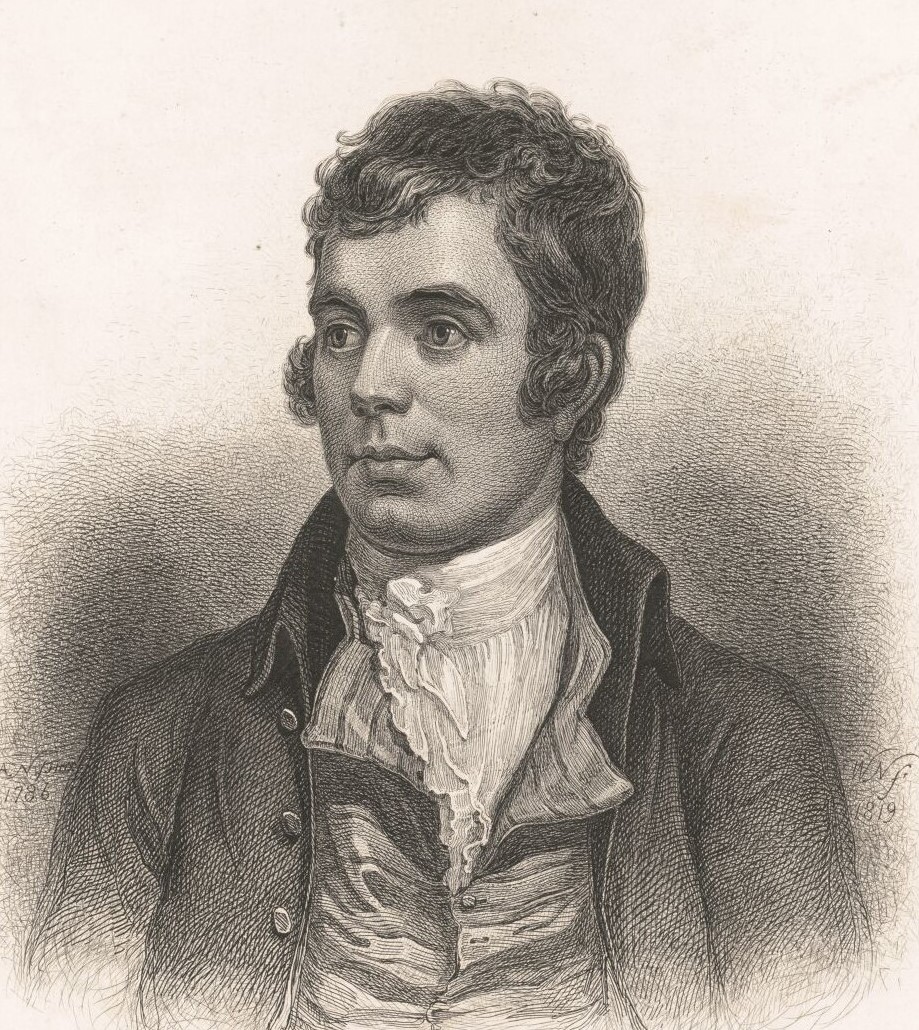
Yesterday we were celebrating the life of Robert Burns, also known as Rabbie Burns, poet and lyricist, widely regarded as Scotland’s national poet and a key figure in Romanticism. Born 25 January in 1759 in Alloway, Ayrshire, Burns came from a farming life to compose enduring works in Scots and English.

Burns was a rebel against the social order and a bitter satirist of all forms of political and religious ideas. Despite his upbringing he was by no means an illiterate peasant. He was a craftsman. Around age 26 his poetry output expanded as he sought to express more of his emotions and comment on the social scene. He has been described as someone of great intellectual energy and force of character.

Burns’ first significant recognition came in 1786 with the publication of his debut poetry collection, Poems, Chiefly in the Scottish Dialect. It was an instant success, earning him fame as the ‘ploughman poet’. Burns produced some fine poetry, the first of which nearly everyone has heard on numerous occasions: AuldLangSyne but others regularly crop up: To a Mouse, AMan’saManfor A’ That, Scots Wha Hae and Tam O’Shanter.

The latter was the only poem he wrote after his time in Edinburgh that showed a hidden side of his poetic genius. Written in 1790, it’s a narrative poem in eight-syllable couplets based on a folk legend. It paints a picture of the drinking classes in the old town of Ayr in the late 18th century, populated by several unforgettable characters including Tam, Souter (Cobbler) Johnnie and his own long-suffering wife, Kate. The tale includes humour, pathos, horror, social comment and some truly exquisite lines. Try and read it in the original before succumbing to the translation – it’s not that difficult.

Burns worked as an excise man and felt it his duty to serve as a private in the Royal Dumfries Volunteers, a local militia formed to defend Britain during the French Revolutionary Wars. He joined the unit in 1795, serving until 1796. Burns produced so much fine poetry that he has become the Scottish national poet. He died in Dumfries, Scotland, in 1796 aged only 37.

No doubt last night there was plenty of Scotch broth, haggis, bagpipes, whisky and, of course, poetry. A life well worth the celebrating.

Comments Off on “Oidhche Bhlas Burns”

Filed under Everyone